
Fort Worth is a genuinely pet-friendly city, and if you share your home with a dog or cat, you already know what that means for your carpet. Pet hair on the couch, muddy paw prints after a walk, and the occasional accident are just part of life with a pet. The good news is that a few consistent habits can keep your carpet looking and smelling better between the deeper cleanings it eventually needs.
This guide covers what actually works for pet owners dealing with hair, stains, and odor, along with how often professional carpet cleaning makes sense for a pet-owning household.
Quick Answer: What's the Best Way to Keep Carpet Clean With Pets?
The most effective approach combines three things: regular grooming and vacuuming to manage shedding, quick and correct treatment of accidents using an enzyme-based cleaner rather than a generic spray, and professional carpet cleaning on a schedule that matches how much wear your carpet actually gets. Skipping any one of these tends to make the others less effective, since untreated stains set in permanently and ungroomed pets shed more into carpet fibers than a vacuum alone can keep up with.
Stay Ahead of Shedding With Daily Habits
Pet hair is one of the most persistent carpet issues, and it's easier to manage before it reaches the floor than after.
Brush your pet regularly. A daily or near-daily brushing routine, using a brush suited to your pet's coat type, removes loose hair before it ends up on your carpet and furniture. This matters most during shedding season, when the volume of loose hair can noticeably increase.
Vacuum on a consistent schedule, not just when the carpet visibly looks like it needs it. Pet hair and dander settle into carpet fibers over time, and a consistent vacuuming routine, ideally a few times a week in homes with pets, keeps it from building up to the point where it becomes visible or starts affecting air quality.
Keep a lint roller or pet hair tool handy for furniture and areas a vacuum doesn't reach as easily, like the base of stairs or corners near baseboards.
Handle Pet Accidents the Right Way, and Quickly
How you treat a pet stain in the first few minutes matters more than almost anything else you do afterward.
Act fast. The longer urine, vomit, or other accidents sit on carpet, the more they soak into the padding underneath, which makes both the stain and the odor much harder to fully remove later.
Blot, don't scrub. Use paper towels, a coffee filter, or a plain white cloth to blot up as much liquid as possible before applying any product. Scrubbing pushes the mess deeper into the fibers and can damage the carpet's texture.
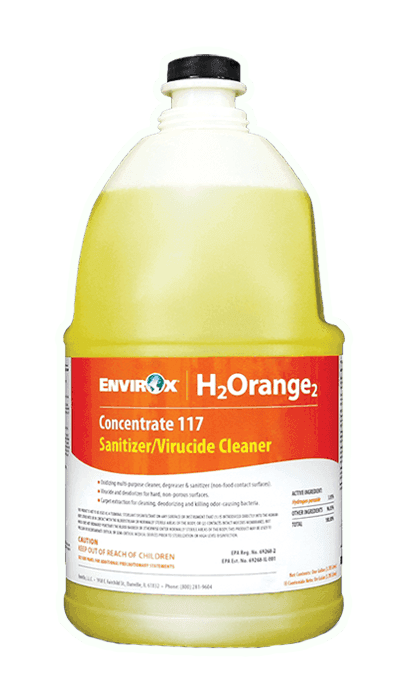
Use an enzyme-based cleaner, not a generic all-purpose spray. Pet accidents contain proteins and bacteria that ordinary cleaners don't fully break down. Enzyme cleaners work by using enzymes to digest the organic material causing the stain and odor, rather than just masking the smell or lifting surface residue. This is the main reason enzyme cleaners consistently perform better on pet accidents than standard carpet cleaners.
Let the product sit as directed. Enzyme cleaners typically need time, often covered with plastic wrap to keep the area from drying out too quickly, to fully break down the organic material. Wiping it away too soon reduces how well it works.
Neutralize lingering odor if needed. A mild solution of about one cup of white vinegar to a gallon of warm water can help with residual odor once the enzyme cleaner has done its job, though it's a follow-up step rather than a replacement for the enzyme treatment itself.
Why Enzyme Cleaners Work Differently Than Regular Carpet Cleaners
It's worth understanding why this distinction matters. A standard carpet cleaner or all-purpose spray is generally designed to lift dirt and surface grime. Pet accidents leave behind proteins, uric acid crystals, and bacteria that regular cleaning products aren't formulated to break down. If those compounds aren't actually broken down, they can remain in the carpet and padding, which is often why a spot that's been "cleaned" still smells or resurfaces later, especially in humid weather.
Enzyme-based products are formulated specifically to target these organic compounds. Following the product's instructions, including how long to let it sit and whether to blot or rinse afterward, makes a real difference in whether it fully resolves the stain or just improves it temporarily.
Where Regular Cleaning Habits Reach Their Limit
Even with consistent grooming, vacuuming, and prompt stain treatment, there's a point where at-home methods aren't enough on their own.
Set-in stains and odors that have been in the carpet for a while, especially ones that have soaked into the padding, are difficult to fully resolve with surface treatment. Professional equipment can extract from deeper in the carpet than a home vacuum or spot cleaner typically reaches.
General wear and buildup from foot traffic, dander, and everyday dirt accumulates in ways that aren't always visible day to day but show up in air quality and in how quickly carpet looks worn. Regular vacuuming slows this down but doesn't fully reverse it.
Multiple pets or larger households tend to put more cumulative wear on carpet, which usually means a shorter interval between professional cleanings makes sense compared to a single-pet or pet-free home.
How Often Should Pet Owners Get Professional Carpet Cleaning?
For most households, professional carpet cleaning once or twice a year is a reasonable baseline. Homes with pets, kids, or heavier foot traffic often benefit from cleaning closer to the more frequent end of that range, since the combination of shedding, accidents, and tracked-in dirt adds up faster than in a lower-traffic home.
The right frequency also depends on how your carpet is holding up day to day. If a room used heavily by pets starts looking dull or holding onto odor despite your regular routine, that's a more reliable signal to schedule a cleaning than sticking rigidly to a set calendar interval.
What Professional Carpet Cleaning Can Do That At-Home Methods Can't
Professional cleaning generally uses equipment that reaches deeper into the carpet fibers and padding than a home vacuum or a rented carpet cleaner can manage. This matters most for pet owners because pet accidents and heavy shedding often affect more than just the visible surface of the carpet.
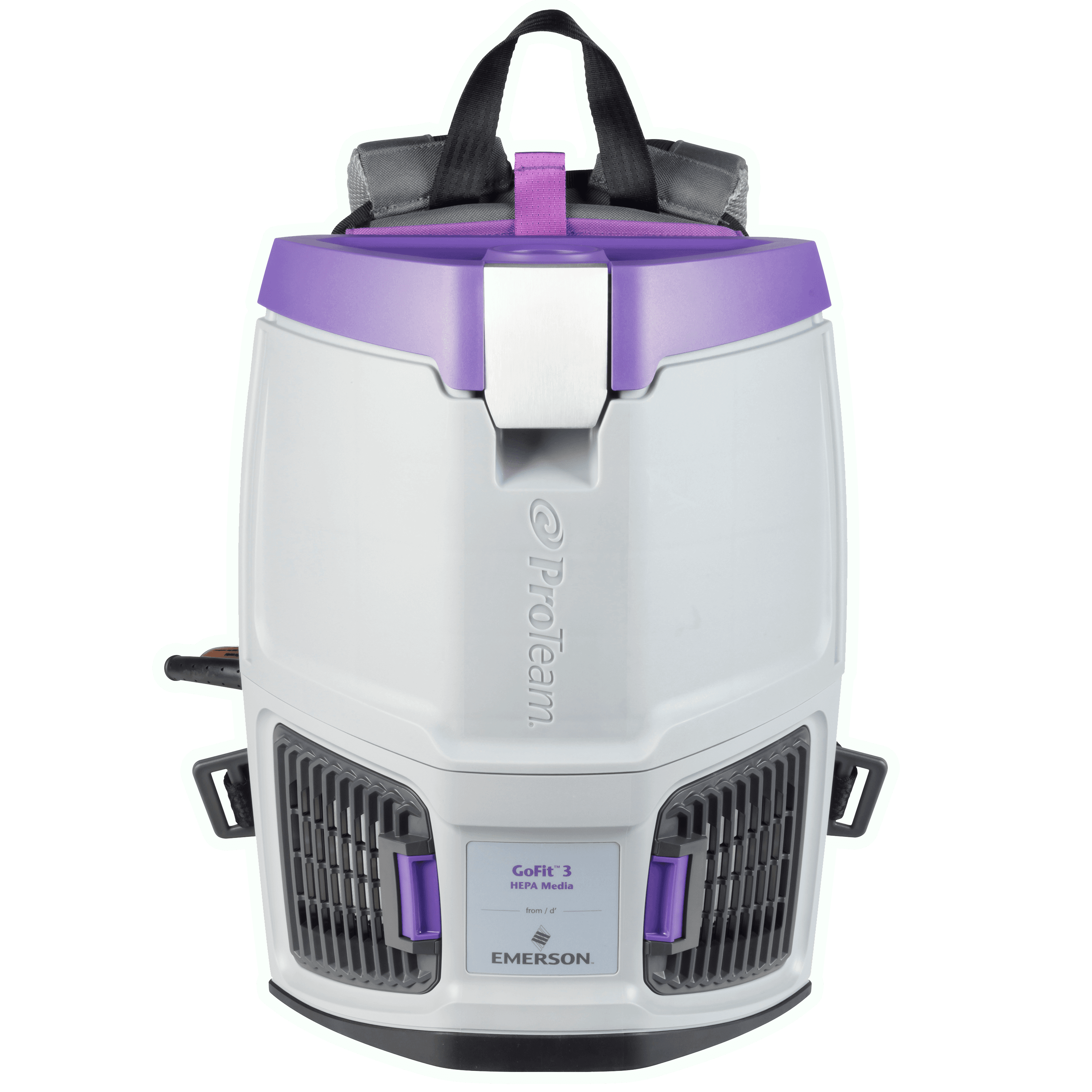
At Brenda's Cleaning, our team uses a HEPA-filtered vacuum system that captures the vast majority of dust mites, pet dander, and other allergens rather than redistributing them into the air, which is particularly relevant in households with pets and anyone in the home who deals with allergies.
Choosing the Right Approach for Different Pet Situations
Not every household deals with the same carpet challenges, and the right routine depends somewhat on your specific situation.
Puppies and kittens are still learning where to go, which usually means more frequent accidents during the first several months. Keeping enzyme cleaner on hand and treating accidents immediately, rather than waiting to see if it becomes a pattern, prevents repeat staining in the same spot. Pets are often drawn back to a spot that still carries scent traces even after it looks clean, which is another reason a proper enzyme treatment matters more than a quick wipe-up.
Senior pets may have more frequent accidents due to age-related health changes, and older carpet in high-traffic areas they use most may need more frequent professional attention as a result.
Multiple pets in one household compound both shedding and the odds of accidents, which usually means a shorter interval between both vacuuming sessions and professional cleanings compared to a single-pet home.
Light-colored carpet shows pet hair, dirt, and stains more visibly than darker carpet, which often means homeowners notice buildup sooner and may want to stay closer to the more frequent end of a professional cleaning schedule to keep it looking consistent.
Local Considerations for Fort Worth-Area Pet Owners
North Texas weather adds a few extra wrinkles to carpet care for pet owners. Muddy paws after rain are common in Fort Worth, Saginaw, and surrounding communities, and the region's mix of humid stretches and dry spells can affect how quickly a treated stain or damp carpet actually dries. Letting carpet fully dry after any wet treatment, whether that's a DIY spot clean or a professional visit, matters more in humid weather, since trapped moisture is what tends to lead to lingering odor or mold risk.
Brenda's Cleaning has served pet-owning households across Fort Worth and the surrounding area since Brenda Lora founded the company in 2014, with a family-owned approach built around consistent, careful work rather than cutting corners as the business has grown. That same approach is behind our broader House Cleaning in Texas services, which extend well beyond carpets to the rest of a pet-owning household.
Frequently Asked Questions
What's the best product for pet urine stains on carpet?
An enzyme-based cleaner formulated specifically for pet stains works best, since it breaks down the proteins and bacteria in the stain rather than just masking the odor. Generic all-purpose cleaners typically don't fully resolve pet accidents.
How do I stop my carpet from smelling like pets?
Address accidents quickly with an enzyme cleaner, vacuum regularly to remove dander and loose hair, and consider professional cleaning if odor persists despite consistent at-home care, since it may indicate the issue has reached the carpet padding.
How often should pet owners get carpet professionally cleaned?
Once or twice a year is a reasonable baseline for most pet-owning households, with homes that have multiple pets or heavier traffic often benefiting from cleaning closer to twice a year.
Should I scrub or blot a fresh pet stain?
Always blot. Scrubbing pushes the stain and bacteria deeper into the carpet fibers and can damage the carpet's texture, making the problem harder to resolve.
Can vacuuming alone keep pet hair under control?
Regular vacuuming helps significantly, especially when paired with routine pet grooming, but it doesn't remove dander and allergens that settle deep into carpet fibers the way a HEPA-filtered professional cleaning can.
Does professional carpet cleaning remove old pet stains and odors?
In many cases, yes, especially compared to at-home methods, since professional equipment can extract from deeper in the carpet and padding. Very old or heavily set stains may improve significantly without being removed completely.
Is it safe to use enzyme cleaners around pets?
Most enzyme cleaners are formulated to be pet-safe once dry, but it's worth checking the specific product label and keeping pets off the treated area while it's still wet or drying.
Ready for Carpets That Keep Up With Your Pets?
If daily grooming and quick stain treatment are only getting you so far, a professional carpet cleaning can handle the buildup and odor that at-home methods can't fully reach. Brenda's Cleaning offers residential cleaning services built around real North Texas households, pets included.
Curious how often your home should be on the schedule? Get a free quote and we'll help you figure out a cleaning routine that fits your household.