
You mopped the floors, wiped the counters, and scrubbed the tub. So why does the house still not feel fully clean? In most homes, the answer is the small stuff. Dusty fan blades, gray baseboards, sticky light switches, and gritty window tracks are easy to miss, but together they decide if a room looks tidied or truly clean.
Quick answer: The seven most overlooked places to clean, and the tiny details that make the biggest difference, are (1) ceiling fans and light fixtures, (2) air vents and return grilles, (3) baseboards, door frames, and trim, (4) light switches, handles, and other high-touch spots, (5) the floor behind and under appliances and furniture, (6) the insides of cabinets, drawers, and the microwave, and (7) window sills, tracks, and blinds. Clean them from the top down, use a damp microfiber cloth instead of a dry duster, and give each one a spot on a weekly, monthly, or seasonal schedule.
Brenda's Cleaning is a family-owned company that has cleaned North Texas homes since 2014. Our office is on East Southlake Boulevard, and the tips below come from the details our team sees missed most often, plus trusted safety guidance where it matters.
Why Small Details Stand Out in North Texas Homes
A few local factors make the little things more noticeable here:
Dust and wind. Dry, windy days push fine dust indoors, where it settles on fan blades, baseboards, and sills.
Pollen for much of the year. Cedar pollen is a well-known winter problem for many Texans, and grass and weed pollen tend to peak in spring and fall.
Long air-conditioning seasons. Fans and AC run for months, and moving air carries dust onto vents and blades.
Hard water spots. Many North Texas homes see mineral spots on shower glass, faucets, and windows.
Big windows. Strong Texas sunlight shows every streak and dust line.
None of these details take long once they are part of a routine. The trouble starts when they get skipped for months.
The 7 Tiny Details That Make a Home Look Brighter
1. Ceiling Fans and Light Fixtures
Why it gets missed: Fans and fixtures sit above eye level, so buildup stays hidden until the sun hits the room just right.
How to clean it:
Turn the fan off, switch off the lights, and let bulbs cool. Use a sturdy step stool, not a chair.
Slide an old pillowcase over each blade and pull it back gently. The dust stays inside the case instead of falling on your furniture.
Follow up with a slightly damp microfiber cloth.
Remove glass shades when you safely can, wash them in warm, soapy water, and dry them fully.
Never spray liquid directly onto electrical parts.
How often: About once a month, and more often during heavy pollen seasons or in allergy-sensitive homes.
2. Air Vents and Return Grilles
Why it gets missed: Vents blend into walls and ceilings. The dark dust shadow around a vent often shows up before anyone notices the grille itself.
How to clean it:
Vacuum vent covers with a soft brush attachment.
Remove greasy or dirty covers, wash them in warm, soapy water, and let them dry fully.
Wipe the wall or ceiling around the vent.
Change your HVAC filter on the schedule the filter maker or your HVAC technician recommends. Many homes check filters every one to three months, and more often with pets.
A note on air duct cleaning: You may hear that ducts should be cleaned every few years for your health. The U.S. Environmental Protection Agency (EPA) says duct cleaning has never been shown to prevent health problems and does not recommend it as a routine task. It suggests cleaning ducts only when needed, such as for visible mold inside hard ducts, pests, or dust blowing out of vents. Filter changes and simple vent cleaning are the everyday habits that help most.
How often: Vacuum vents monthly and wash covers a few times a year.
3. Baseboards, Door Frames, and Trim
Why it gets missed: Baseboards sit at floor level, and door frames are something we walk past all day. Dust, scuffs, and pet hair collect on top edges and in corners.
How to clean it:
Vacuum first with a brush attachment so you are not just pushing dust around.
Wipe with a well-wrung microfiber cloth dipped in warm water and a few drops of mild dish soap.
Use an old toothbrush for corners and grooves.
Wipe door frames and the area around door handles, where fingerprints build up.
How often: Dust every two to four weeks and do a full wipe every month or two.
4. Light Switches, Handles, and Other High-Touch Spots
Why it gets missed: These spots are small, so they rarely make a cleaning list. Yet hands touch them many times a day.
Spots to include: light switches, doorknobs, cabinet and drawer pulls, refrigerator and microwave handles, toilet flush handles, stair railings, and TV remotes.
How to clean it: Spray a household cleaner or disinfectant onto a cloth, not directly onto switches or electronics. Follow the product label for how long it needs to stay on the surface to work.
How often: Weekly, and more often when someone in the house is sick.
5. Behind and Under Appliances and Furniture
Why it gets missed: Refrigerators, washers, dryers, sofas, and beds stay put for months. Crumbs, dust, pet hair, and lost toys pile up where nobody looks.
How to clean it:
Unplug appliances before moving them, and get help with anything heavy.
Use furniture sliders to protect wood, tile, and vinyl floors.
Vacuum first, then damp-mop the floor and wipe the sides of the appliance.
Check your refrigerator's owner's manual for how to clean its condenser coils.
Laundry room safety: Clean the dryer's lint screen before or after every load, and have the dryer vent and exhaust duct cleaned periodically. Fire safety groups, including the National Fire Protection Association (NFPA), point to lint buildup and failure to clean as a leading factor in home dryer fires. If clothes take longer to dry than they used to, check the vent.
How often: Vacuum under furniture every few weeks. Clean behind large appliances two to four times a year.
6. Inside Cabinets, Drawers, and the Microwave
Why it gets missed: Cabinet doors hide the mess. Under-sink areas, spice drawers, and bathroom vanities collect crumbs, drips, and sticky bottle rings.
How to clean it:
Work on one cabinet or drawer at a time so the job does not take over your day.
Empty it, toss expired food and old products, and vacuum crumbs.
Wipe the inside with warm, soapy water and dry it well, since wood cabinets do not like standing water.
Look under the sink for drips or soft spots that could point to a leak.
For the microwave, heat a bowl of water with lemon slices for a few minutes, let it sit, then wipe away the softened splatters.
How often: Wipe the microwave weekly. Clean cabinet interiors once or twice a year, or before a move or holiday.
7. Window Sills, Tracks, and Blinds
Why it gets missed: Tracks are narrow, and blinds have dozens of slats. Pollen, dust, and small bugs gather in both.
How to clean window tracks: Vacuum loose dirt with a crevice tool, scrub with a toothbrush and soapy water, wipe with a damp cloth, and dry the track fully.
How to clean blinds:
Close the blinds, dust one side, then flip them and repeat.
Wipe vinyl and aluminum blinds with a damp microfiber cloth.
Use only a dry or barely damp cloth on real wood blinds, since soaking can cause warping.
Vacuum fabric shades with a brush attachment and check the care label before using water.
How often: Dust blinds and sills every two to four weeks. Scrub tracks each season, especially after spring pollen.
How Often to Clean Each Detail
Use this schedule as a starting point. Homes with pets, young kids, or allergies may need some tasks more often.
Detail | Quick Upkeep | Deeper Clean |
|---|---|---|
Ceiling fans and light fixtures | Dust monthly | Wash glass shades a few times a year |
Air vents and return grilles | Vacuum monthly | Wash covers a few times a year; change filters as recommended |
Baseboards, door frames, trim | Dust every 2–4 weeks | Full wipe every 1–2 months |
Switches, handles, remotes | Wipe weekly | More often during cold and flu season |
Behind and under appliances and furniture | Vacuum under furniture every few weeks | Clean behind appliances 2–4 times a year |
Cabinets, drawers, microwave | Wipe microwave weekly | Empty and clean cabinets 1–2 times a year |
Window sills, tracks, blinds | Dust every 2–4 weeks | Scrub tracks each season |
The Right Order: Top to Bottom, Dry to Wet
The order you clean in matters as much as what you clean.
Top to bottom. Start with fans, fixtures, and high corners. Move to shelves, counters, and sills. Finish with baseboards and floors, since dust falls as you work.
Dry to wet. Dust and vacuum before using any liquid. A wet cloth on a dusty surface turns dust into streaky mud.
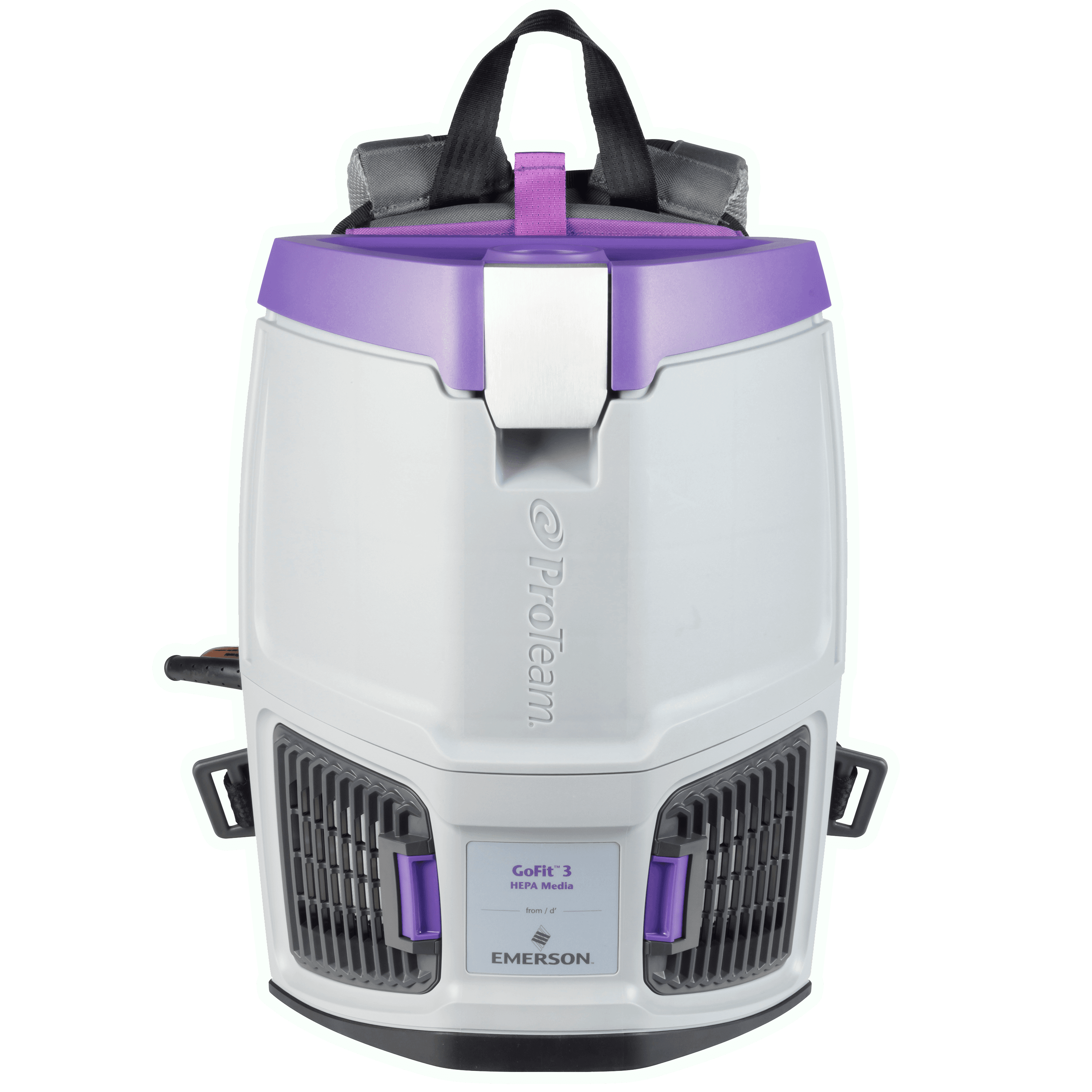
Helpful tools include microfiber cloths, a vacuum with brush and crevice tools, an extendable duster, an old toothbrush, and mild dish soap. You can also see the products and equipment our team brings, including HEPA-media backpack vacuums, an EPA-registered sanitizer, microfiber mops, and plant-based soap.
Extra Care for Allergies, Pets, and Guests
Some homes feel the effect of skipped details more than others:
Allergy-sensitive homes: Damp dusting and a HEPA-filter vacuum help keep settled dust and pollen from being stirred back into the air. Our guides on combating dust buildup and reducing allergens with professional cleaning go deeper.
Homes with pets: Hair gathers along baseboards, under furniture, and in vent covers. These tips on minimizing pet hair help between cleanings.
Hosting guests: Visitors notice switches, door handles, mirrors, and the guest bathroom first. Here are more ways to get your Southlake home ready for guests.
Recurring Cleaning vs. Deep Cleaning: Which Covers These Details?
If you would rather skip the ladder and the toothbrush, it helps to know what a professional visit includes. This table is based on our published service checklists.
Detail | Recurring Cleaning | Deep Cleaning |
|---|---|---|
Baseboards | Dusted | Hand-wiped |
Blinds and window sills | Dusted | Blinds hand-wiped |
Doors and door frames | Not listed | Hand-wiped |
Light fixtures, vents, ceiling fans | Not listed separately | Cleaned |
Switches, door handles, cabinet handles | Wiped | Sanitized |
Floors and under furniture | Hard floors vacuumed and mopped | Edges and under furniture vacuumed |
Microwave | Cleaned inside and out | Cleaned inside and out |
Grout and soap scum | Not included | Scrubbed |
Recurring house cleaning is maintenance on a weekly, bi-weekly, or monthly schedule that keeps details from building up. Deep cleaning targets buildup, and it is a smart first step if your home has not been professionally cleaned in a while, before a big event, or during allergy season.
Tasks such as cleaning inside cabinets, pulling out large appliances, or cleaning inside the refrigerator or oven may not be part of a standard visit, so mention them when you request a quote. Our window cleaning service covers both sides of the glass, and move-in and move-out cleaning is scoped to your home and lease during the free quote.
When It Makes Sense to Call a Professional
DIY detail cleaning works well for many families. It may be time for help when dust returns within days, grout or tracks no longer come clean with basic scrubbing, weekends keep disappearing into chores, or you are getting ready for guests or listing your home.
Every Brenda's Cleaning team member passes a background check through Checkr before their first day. New hires complete a seven-day training program and a 30-day probation period, and we carry general liability insurance. Our team is bilingual in English and Spanish, and we are not a franchise. You can read how Brenda Lora started the company in Keller in our story.
There are no contracts, and our recurring House Cleaning in Texas starts at $125 per visit. If we miss something, report it within 24 hours and we will return to re-clean that area at no extra charge. Pricing depends on square footage, bedrooms, bathrooms, pets, and service type, and our 2026 Dallas–Fort Worth house cleaning cost guide explains what affects the final number.
Local Help in Southlake and Nearby Cities
Our team provides house cleaning in Southlake from our office on East Southlake Boulevard. We also clean homes in Keller, Colleyville, Trophy Club, Westlake, Grapevine, Fort Worth, and more. See every town we serve on our service areas page.
Frequently Asked Questions
What are the most overlooked places to clean in a house?
Ceiling fans, light fixtures, air vents, baseboards, door frames, light switches and handles, the floor under and behind appliances and furniture, cabinet interiors, and window tracks and blinds. They are easy to miss because they sit above or below eye level or behind closed doors.
How often should I clean ceiling fans in Texas?
About once a month works for most homes. Clean them more often during heavy pollen seasons or if someone has allergies, since fans that run most of the year collect dust quickly.
Should I get my air ducts cleaned every few years?
Not necessarily. The EPA does not recommend routine duct cleaning and says it has never been shown to prevent health problems. It suggests cleaning ducts only when needed, such as for visible mold, pests, or dust blowing out of vents. Changing your filter on schedule matters more.
Does a regular house cleaning include baseboards and blinds?
At Brenda's Cleaning, recurring visits include dusting accessible baseboards, window sills, blinds, and ledges. Deep cleaning adds hand-wiping of baseboards, blinds, doors, and door frames, plus cleaning light fixtures, vents, and ceiling fans. Other companies vary, so ask for a checklist.
What is the difference between a standard clean and a deep clean?
A standard or recurring clean maintains a home that is already in good shape. A deep clean targets buildup like grout, soap scum, and detail work that maintenance visits do not cover. Many homeowners book a deep clean first, then switch to recurring service.
Do I need to be home during a cleaning?
No. Many recurring clients are at work during their cleaning. Access is arranged when you book, and you get a text reminder three days before each visit. Find more answers on our cleaning FAQ page.
Ready for a Home That Feels Clean Down to the Details?
These details are small, but they add up to a home that looks brighter and feels better to live in. Start with one detail a week, or let our team take the list off your plate. When you are ready, get your free cleaning quote online with no commitment or payment required, or call (817) 479-6590. Tell us which details matter most to you, and we will plan your cleaning around them.